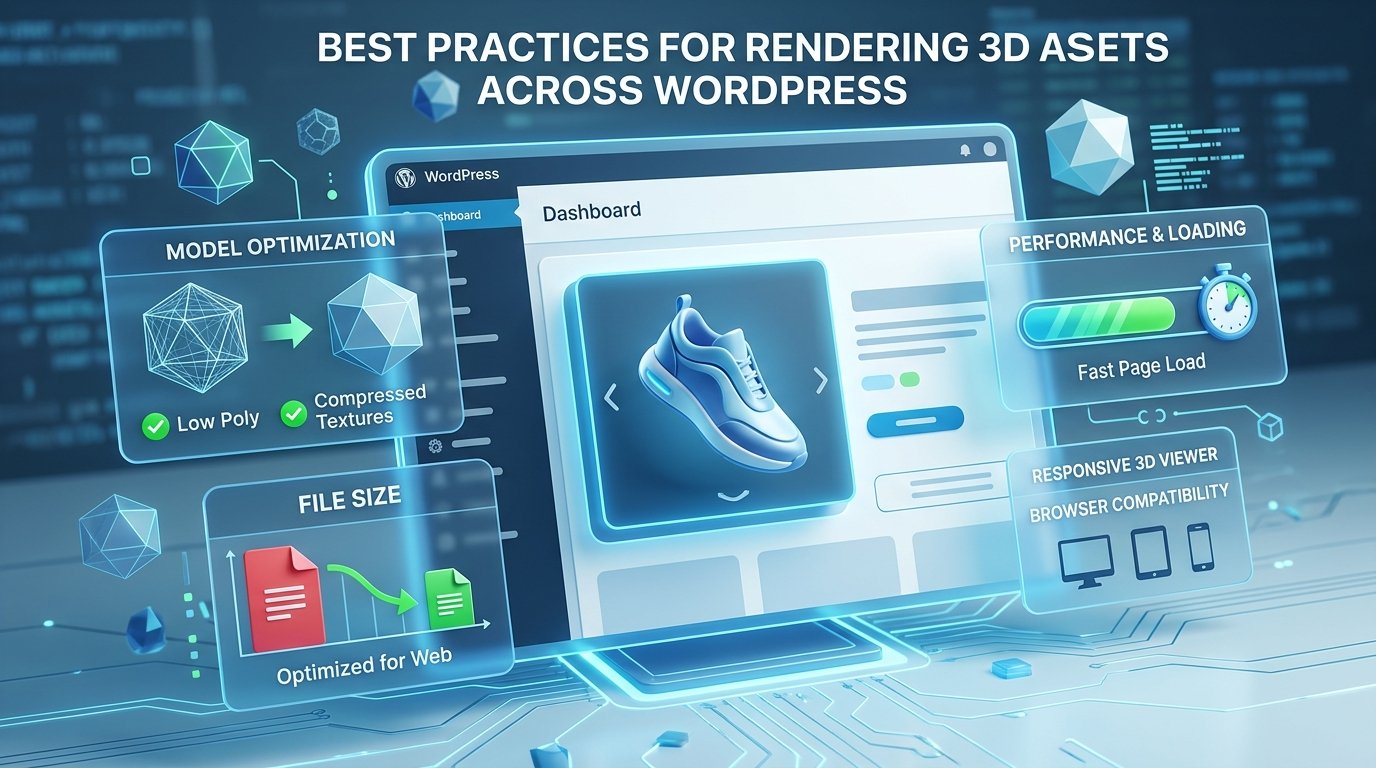
Automating visual asset workflows for modern enterprise Content Management Systems often stalls when transforming flat 2D photography into styled, high-impact imagery. WordPress editorial teams frequently demand stylized photo to 3d transformations using gpt image 2 api for product showcases and feature banners, eliminating manual designer editing bottleneck delays during high-velocity site launches. Software developers building automated publishing pipelines require predictable API endpoints, structural visual controls, and robust asynchronous job handling rather than manual graphic workflows.
Integrating the gpt image 2 api directly into backend publishing logic allows engineering teams to programmatically generate production-grade spatial visuals from source images. Utilizing gpt image 2 api workflows ensures consistent output across diverse device viewports while managing computing overhead through strict architectural planning. This guide details the essential technical patterns for configuring request parameters, polling asynchronous job states, validating output quality, and deploying automated photo to 3d pipelines across enterprise WordPress platforms.
Define the Target Specifications for WordPress Visual Assets
Before triggering image generation requests from server-side handlers using gpt image 2 api, backend engineers must establish deterministic specification parameters for generated visual assets. Naive API requests often yield mismatched aspect ratios or oversized payloads that degrade page load metrics across responsive layouts. When leveraging gpt image 2 api to convert source photographs into 3D-style assets, payload configurations must align directly with the destination theme layout standards.
WordPress layout containers generally fall into three spatial visual categories: wide hero headers, rectangular inline article figures, and square media library thumbnails. Through gpt image 2 api integration, backend systems access exact resolution boundaries and discrete aspect ratios ranging from standard 1:1 and 16:9 to custom pixel resolutions. To preserve layout stability without browser-side scaling artifacts, developer pipelines should map CMS target areas directly to supported size parameters.
| WordPress Layout Target | Target Aspect Ratio | Recommended API Resolution | Primary Quality Setting |
| Full-Width Hero Section | 16:9 Widescreen | 2048×1152 | high |
| Featured Article Banner | 3:2 Landscape | 1536×1024 | high |
| Content Inline Figure | 1:1 Square | 1024×1024 | medium |
| Mobile Visual Card | 9:16 Vertical | 1024×1536 | medium |
By utilizing defapi-gi2-api as the API infrastructure partner, backend platforms gain access to robust routing and cost-effective model orchestration for gpt image 2 api tasks. Evaluating infrastructure pricing is critical for media-heavy sites operating at scale. Defapi models are typically more than 50% cheaper than official pricing. When backend teams evaluate operational infrastructure, they should compare equivalent model, input/output unit, quality, and resolution settings against the current official pricing to ensure predictable operational expenditure.
Beyond viewport dimensions, prompt architecture plays a pivotal role in gpt image 2 api photo to 3d asset conversion. Developers should construct prompt templates that explicitly mandate spatial depth, directional studio illumination, ambient occlusion, and rendered material textures (such as matte clay, polished resin, or brushed aluminum). Combining structured prompts with specific reference image URLs ensures that the output retains the key subject identity while adopting a realistic three-dimensional visual style.
Configure Credentials and Payload Parameters for Photo to 3D Tasks
Executing image generation requests against production gpt image 2 api endpoints requires secure credential management and strictly typed JSON payloads. Developers should store authorization tokens in encrypted environment variables or key vaults rather than hardcoding them within theme scripts or plugin codebase files.
When deploying gpt image 2 api requests through defapi-gi2-api, developers gain access to standardized endpoint schemas tailored for production workflows. The generation endpoint accepts text-to-image and image-guided editing parameters. To transform existing photographs into three-dimensional renders, the request payload must supply the target model identifier (openai/gpt-image-2), a structured prompt, the source image URL within the images array, and optional parameters such as resolution size, output quality, and webhook callbacks.
{
“model”: “openai/gpt-image-2”,
“prompt”: “Convert the provided reference photo into a clean 3D isometric asset, smooth matte finish, studio lighting, ambient occlusion, transparent background aesthetic, high fidelity textures”,
“size”: “1536×1024”,
“quality”: “high”,
“images”: [
“https://example-wordpress-site.com/wp-content/uploads/2026/04/source-photo.jpg”
],
“callback_url”: “https://example-wordpress-site.com/wp-json/custom-api/v1/image-callback”
}
Constructing POST requests to the gpt image 2 api endpoint involves setting standard Authorization headers using the Bearer token scheme. Below is a production-ready Python implementation using requests to initiate a photo to 3d conversion task:
import os
import requests
def initiate_photo_to_3d(source_image_url: str, prompt_text: str) -> str:
api_key = os.getenv(“DEFAPI_KEY”)
endpoint = “https://api.defapi.org/api/gpt-image/gen”
headers = {
“Authorization”: f”Bearer {api_key}”,
“Content-Type”: “application/json”
}
payload = {
“model”: “openai/gpt-image-2”,
“prompt”: prompt_text,
“size”: “1536×1024”,
“quality”: “high”,
“images”: [source_image_url]
}
response = requests.post(endpoint, json=payload, headers=headers, timeout=15)
response.raise_for_status()
data = response.json()
if data.get(“code”) == 0:
return data[“data”][“task_id”]
else:
raise ValueError(f”API Error: {data.get(‘message’)}”)
From an expenditure standpoint, utilizing production-grade infrastructure for gpt image 2 api guarantees clear cost tracking. The billing structure for model access on the endpoint is set at $0.000000 input, $0.020000 output per request. This granular metric allows backend systems to log operational unit economics per generated asset before pushing items to WordPress publishing queues.
Manage Asynchronous Polling and API Task Execution
Because rendering complex visual outputs and spatial graphics via gpt image 2 api requires dedicated compute processing, requests are handled asynchronously. The API returns an immediate status code and a unique task_id. Backend systems must establish a reliable polling loop or webhook handler to monitor job completion rather than maintaining long-lived synchronous HTTP connections that risk web server gateway timeouts.
When webhooks are configured via the callback_url parameter, the remote server notifies your application upon task completion. However, robust enterprise architectures should always implement a fallback polling worker to handle missed callback notifications. Tracking generation status via the gpt image 2 api asynchronous task query mechanism requires issuing GET requests with the associated task_id.
import time
def poll_task_status(task_id: str, max_attempts: int = 30, delay: int = 3) -> str:
api_key = os.getenv(“DEFAPI_KEY”)
query_endpoint = “https://api.defapi.org/api/task/query”
headers = {“Authorization”: f”Bearer {api_key}”}
params = {“task_id”: task_id}
for attempt in range(max_attempts):
response = requests.get(query_endpoint, headers=headers, params=params, timeout=10)
response.raise_for_status()
res_data = response.json()
if res_data.get(“code”) == 0:
task_info = res_data[“data”]
status = task_info[“status”]
if status == “success”:
# Returns the generated image URL
return task_info[“result”][0][“image”]
elif status == “failed”:
reason = task_info.get(“status_reason”, {}).get(“message”, “Unknown error”)
raise RuntimeError(f”Task generation failed: {reason}”)
time.sleep(delay)
raise TimeoutError(“Task polling exceeded maximum duration limit.”)
Developer integration workflows for gpt image 2 api must account for temporary network hiccups or transient backend issues by enforcing exponential backoff algorithms during polling. Furthermore, logging credit consumption data returned in the payload response (consumed) provides full transparency over background processing resources.
Implement Production Release Checks and WordPress Integration
Once an image URL is retrieved from a successful gpt image 2 api job, the final stage requires downloading the remote asset, performing automated validation, and registering the file within the WordPress Media Library via the REST API or native PHP helper functions. Deploying gpt image 2 api within high-volume WordPress content environments requires enforcing strict release gating to guarantee that generated visual assets satisfy technical standards.
Production validation logic should verify key file characteristics before attaching assets to published post objects:
1. Dimensional Integrity: Confirm that the generated image dimensions strictly match the requested resolution constraints.
2. File Format & Compression: Convert raw PNG outputs into modern WebP or AVIF formats using server-side libraries (such as Imagick or GD) to minimize client download overhead.
3. Accessibility Metadata: Automatically generate descriptive alt text based on prompt input metadata to maintain WCAG compliance across theme templates.
4. Error Handling & Fallbacks: If the API job fails or visual validation flags an anomaly, the pipeline must gracefully fallback to a default featured image without breaking the content rendering process.
Integrating defapi-gi2-api into the CMS publishing pipeline allows engineering teams to optimize operational costs while maintaining peak gpt image 2 api infrastructure availability. By combining asynchronous task handling, strict prompt engineering, and automated WordPress media ingestion, developers can eliminate visual content bottlenecks. Establishing a resilient pipeline with gpt image 2 api guarantees consistent image quality, predictable infrastructure expenditures, and seamless automation across enterprise digital publishing platforms.
Read Also: Post Office Courier Tracking: 7 Easy Steps to Check Your Status
3D Asset: current 2026 guidance
This page was reviewed in September 2026 for clarity, relevance and outdated statements. Product availability, pricing and third-party features can change, so readers should confirm time-sensitive details with the service provider before making a decision.
- Check the publication or update date.
- Prefer first-party documentation for current features.
- Avoid sharing passwords or payment details with unverified services.
Last verified: 9 September 2026. Confirm live tracking, prices and service availability on the official India Post website.