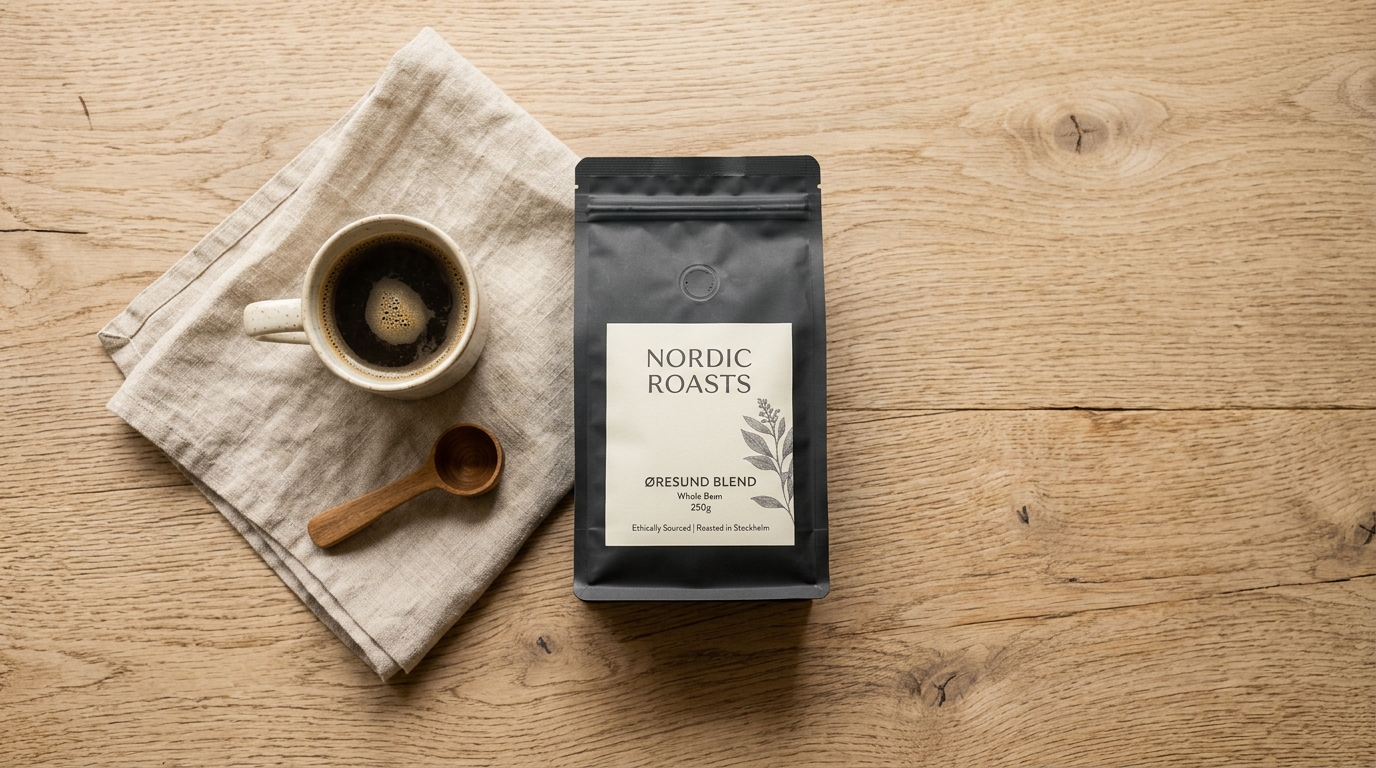
Imagine the launch of a new single-origin Ethiopian roast. The beans are roasted, the packaging is finalized, but your Shopify product page is empty because the lifestyle photoshoot is delayed by three weeks. For coffee and tea brands, this bottleneck is a common growth killer. High-quality visuals are essential to convey the sensory experience of a warm beverage, but traditional lifestyle product photography is slow and expensive. Many merchants are looking at AI image generation for ecommerce to solve this visual bottleneck. The launch of gpt image 2 represents a major shift in how digital assets are created, offering precise text rendering and realistic textures. However, migrating your visual workflow to gpt image 2 requires a clear assessment of its capabilities, limits, and team fit. Understanding these elements ensures you don’t waste budget on tools that fail to meet brand standards.
The Visual Dilemma: Should Coffee and Tea Brands Adopt GPT Image 2?
The fundamental challenge for beverage merchants is translating taste and aroma into a digital image. A flat product shot of a coffee pouch does not sell the experience; you need a steaming ceramic mug on a rustic oak table surrounded by warm lighting. Unlike selling electronics, beverage marketing requires evoking taste, warmth, and lifestyle. A customer cannot smell the freshly roasted beans or taste the delicate notes of bergamot in an Earl Grey tea through a screen. Thus, the visual environment must do the heavy lifting. While older AI models produced distorted mugs or weird text on labels, this newer generation addresses these issues directly.
For Shopify store managers, the main question is whether to invest in custom prompt engineering or stick to traditional photoshoots for Shopify product photos. By utilizing gpt image 2, brands can generate high-fidelity lifestyle scenes in seconds. This allows quick testing of seasonal campaigns, such as placing a matcha tea canister in a cozy winter setting. However, adopting gpt image 2 is not just about clicking a button. It requires understanding the underlying model strengths of gpt image 2, such as its 2K native resolution and multi-language text rendering, which are critical for international packaging.
The real value of gpt image 2 is its ability to follow complex prompts. If you need a matte black tea pouch next to a white porcelain cup with green tea leaves scattered around, older tools often mixed up the colors. In contrast, the model keeps these elements distinct, ensuring that your brand assets remain clean and professional. Furthermore, the single-stage reasoning architecture of this model reduces the rendering time, making it highly viable for agile marketing teams who need to pivot their visual strategies weekly without incurring the thousands of dollars required for a physical studio setup. Ultimately, the decision to implement gpt image 2 depends on how well your team can balance speed with creative control.
Key Selection Criteria for AI Lifestyle Image Generation
When evaluating gpt image 2 for your coffee and tea brands, you must look beyond basic aesthetic appeal. You must evaluate the technology based on four key selection criteria:
First, evaluate text rendering and label fidelity. Coffee and tea packaging often features small text, including origin details, roast levels, and brewing instructions. While previous generators turned this text into unreadable gibberish, gpt image 2 achieves near-perfect text accuracy. If your prompt specifies ‘Single Origin Arabica’ on the label, the generator will render it correctly. This precision is essential when displaying ingredient profiles or brand slogans.
Second, consider texture and realism. The steam rising from a cup or the texture of burlap coffee sacks must look authentic. For example, the condensation on a glass cup of iced peach oolong tea or the rich, velvety crema on top of an espresso shot must look convincing. If the crema looks like yellow soap foam, or the steam looks like a digital smudge, the consumer’s trust is instantly lost. The photorealism of gpt image 2 has improved significantly, reducing the plastic look common in early AI images. The lighting feels natural, avoiding the typical yellow color cast of legacy models.
Third, look at aspect ratio and channel flexibility. A Shopify homepage banner requires a wide landscape crop, while an Instagram story demands a vertical layout. Because gpt image 2 natively supports aspect ratios from 3:1 to 1:3, creative teams can generate assets tailored to specific channels without losing quality. This flexibility is vital when adapting a single lifestyle scene across multiple platforms.
Fourth, maintain color palette and brand consistency. Maintaining a warm amber or deep brown tone is crucial for coffee branding. When using this tool, creators must use precise prompt constraints to ensure the output aligns with their visual identity.
To illustrate how to apply these criteria, here is a practical prompt structure designed for gpt image 2:
[Asset Type] of a matte black coffee pouch labeled ‘Dark Roast Blend’ sitting on a wooden kitchen counter, natural morning sunlight, steam rising from a ceramic mug in the background, warm amber tones, photorealistic, 16:9 aspect ratio
By structuring prompts this way, gpt image 2 can produce consistent, high-conversion visual assets that match your brand identity and appeal to discerning consumers.
How Different Team Profiles Leverage GPT Image 2
Different roles within an ecommerce organization will interact with gpt image 2 in different ways. Understanding these profiles helps determine how to distribute resources.
The Solo Merchant: For founders running their own Shopify stores, gpt image 2 acts as an affordable, on-demand design studio. They can use the ChatGPT interface to generate hero banners and coffee mug mockups without hiring external designers. This lowers the barrier to entry for new brands entering the market.
The Performance Marketer: Marketers need to test dozens of ad variations. They use the model to quickly swap backgrounds—such as putting a cold brew bottle in a beach setting for summer and a cozy kitchen for fall—to optimize click-through rates.
The Creative Director: In larger brands, creative directors use gpt image 2 as a rapid prototyping tool. Instead of spending days creating mood boards, they generate visual concepts in gpt image 2 to pitch to stakeholders before executing final shoots.
The External Agency: Agencies integrate the gpt image 2 API into their custom content pipelines. By combining this tool with platforms like Pikvee, they can automate bulk image generation for thousands of SKUs, lowering operational costs and increasing delivery speed. This helps them manage client demands during peak retail seasons.
Recommended Fit: When to Deploy Pikvee’s GPT Image 2 Workflow
While gpt image 2 is highly versatile, it is most effective when integrated into a structured workflow. We recommend deploying a dedicated gpt image 2 workflow under the following scenarios:
Rapid SKU Expansion: If you are launching ten new herbal tea flavors simultaneously, setting up ten separate photoshoots is financially impractical. Using this model allows you to generate consistent mockups for all flavors in a fraction of the time.
Multi-Channel Ad Campaigns: When running campaigns across Facebook, Pinterest, and Google Shopping, you need different formats. A structured gpt image 2 process ensures that your assets are properly scaled and formatted for each platform.
Visual Localization: If you export your coffee to international markets, you need localized packaging visuals. Since gpt image 2 excels at multi-language text rendering, you can generate product images with Japanese, French, or Spanish labels instantly.
By combining the raw power of gpt image 2 with Pikvee’s workflow management, brands can build a scalable visual production system. This integration allows teams to manage prompt templates, enforce brand guidelines, and review generated assets before they go live on Shopify storefronts. Specifically, Pikvee allows coffee and tea merchants to lock in specific container assets—such as ceramic mugs, glass tea infusers, or custom tin canisters—ensuring that the AI-generated lifestyle backgrounds wrap seamlessly around their real-world product shapes without distortion.
The Non-Fit Boundary: When to Avoid AI Generation
A responsible buyer guide must define its limits. Despite the impressive capabilities of gpt image 2, there are situations where AI generation is not the right choice:
Exact Product Replication: If your coffee mug has a highly unique, patented ergonomic handle, gpt image 2 might struggle to replicate the exact shape from text prompts alone. In cases where millimeter-level product accuracy is required, traditional photography remains necessary.
Complex Ingredient Transparency: If your tea brand relies on showing specific, rare dried flower petals inside a transparent pyramid bag, the AI may generate generic botanical shapes instead of the exact ingredients.
Strict Legal Compliance: While gpt image 2 is excellent at rendering text, any nutritional labels or legal disclaimers generated by AI must be carefully reviewed. Never upload AI-generated regulatory text directly to your Shopify store without human verification.
To help your team make the final decision, use this quick verification checklist before publishing any gpt image 2 assets:
- Label Legibility: Is all text sharp and correctly spelled?
- Product Proportions: Does the coffee pouch look natural, or is it warped?
- Color Accuracy: Do the background tones match your official brand guidelines?
- Artifact Check: Are there any weird digital anomalies in the steam or reflections?
By understanding these boundaries, coffee and tea brands can safely incorporate gpt image 2 into their marketing strategy, maximizing efficiency while maintaining high quality. This balanced approach ensures that your brand keeps its authentic appeal while scaling digital content.
Read Also: I Tried NerdSip for 30 Days : Here’s Why It Became My Favorite Learning App
Coffee and Tea Brands: current 2026 guidance
A marketplace order ID is not necessarily a postal tracking number. Open the shipment details, identify the last-mile carrier and copy the exact consignment number assigned after dispatch. Imported orders may show separate origin-carrier, customs and India Post timelines.
- Confirm the carrier before tracking.
- Expect a new number after some cross-border handoffs.
- Use the marketplace dispute process only after the stated delivery window.
Last verified: 9 September 2026. Confirm live tracking, prices and service availability on the official India Post website.